BrainReboot.org Blog
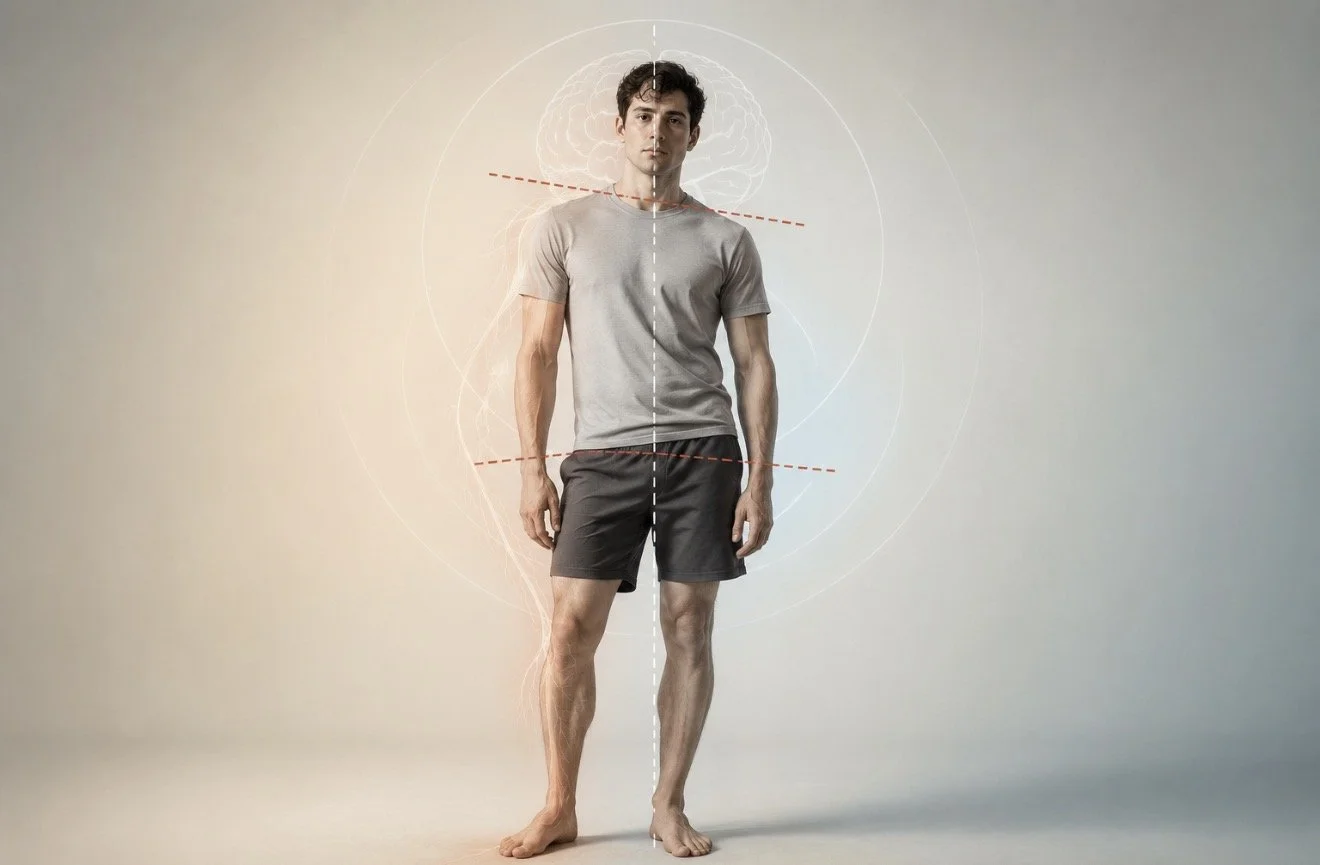
Is Your “Dominant Side” Really Dominant? What Body Asymmetry May Reveal About Stress and Protection
We often accept one tight hip, stronger leg or elevated shoulder as our “dominant side.” But what if some asymmetry also reflects an accustomed protective pattern? A practitioner perspective from several thousand Alphabiotic Alignment sessions.
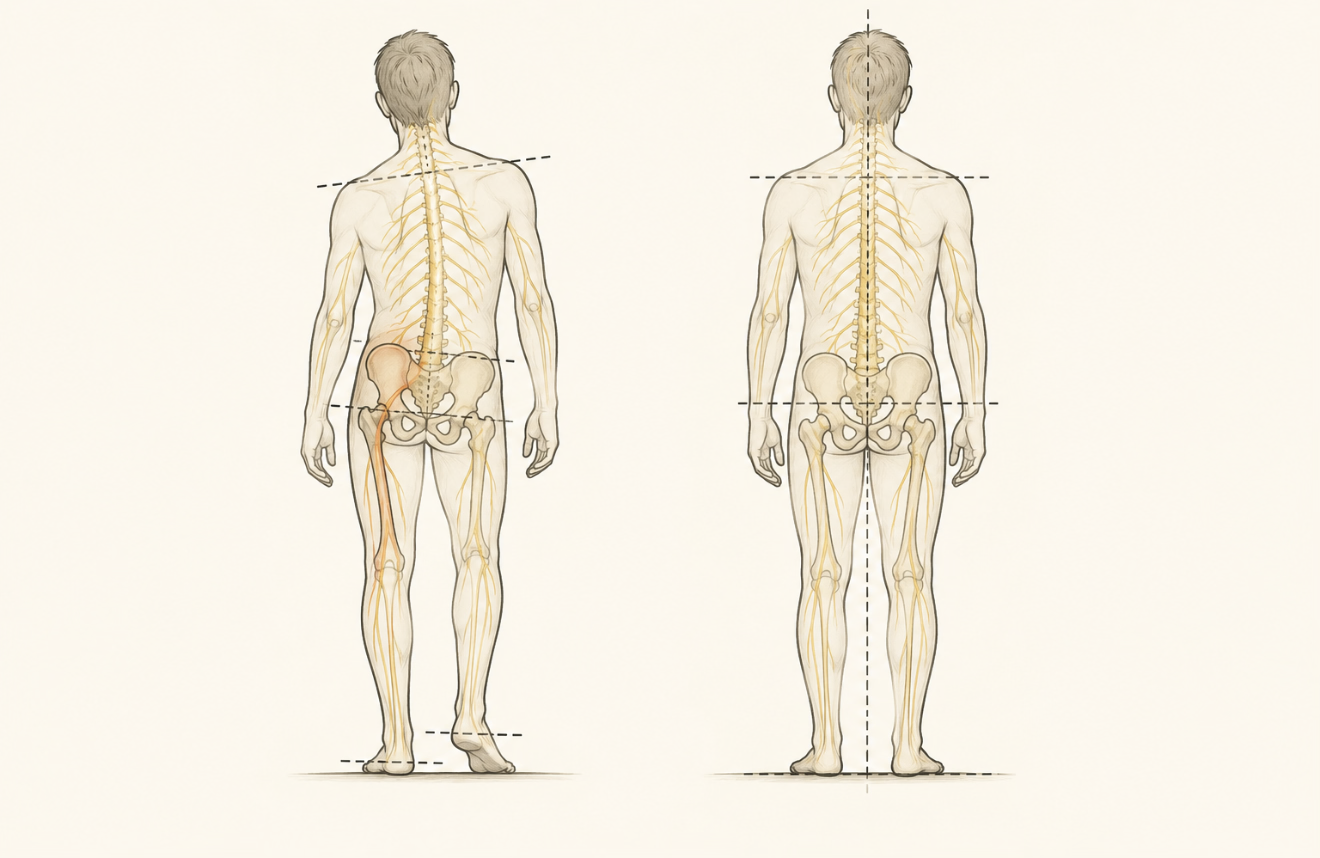
“That’s Just My Dominant Side”: A Practitioner Perspective on Body Asymmetry, Hip Hike, Leg-Length Differences and the Nervous System
One hip higher. One leg appearing shorter. One side stronger or tighter. Is it really “just your dominant side”? A practitioner perspective on body asymmetry, protection and nervous-system organization.
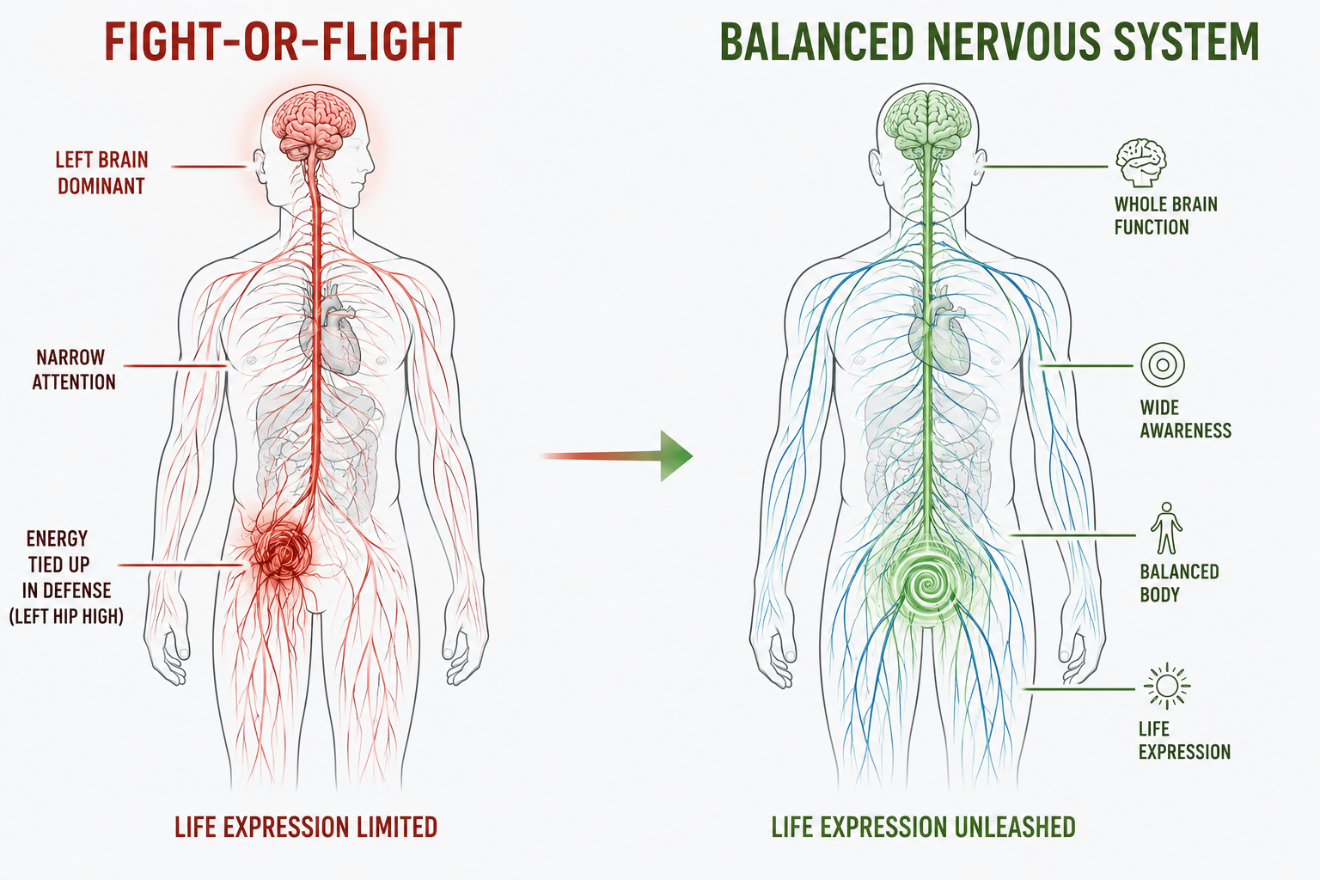
Why Does One Side of Your Body Feel Different Than the Other?
Have you noticed that one shoulder, hip, arm, or leg feels tighter, weaker, or less coordinated than the other? Side-to-side differences may involve more than isolated muscles. Explore how the brain, nervous system, accumulated stress, and protective patterns can influence posture, muscle tone, coordination, and movement.
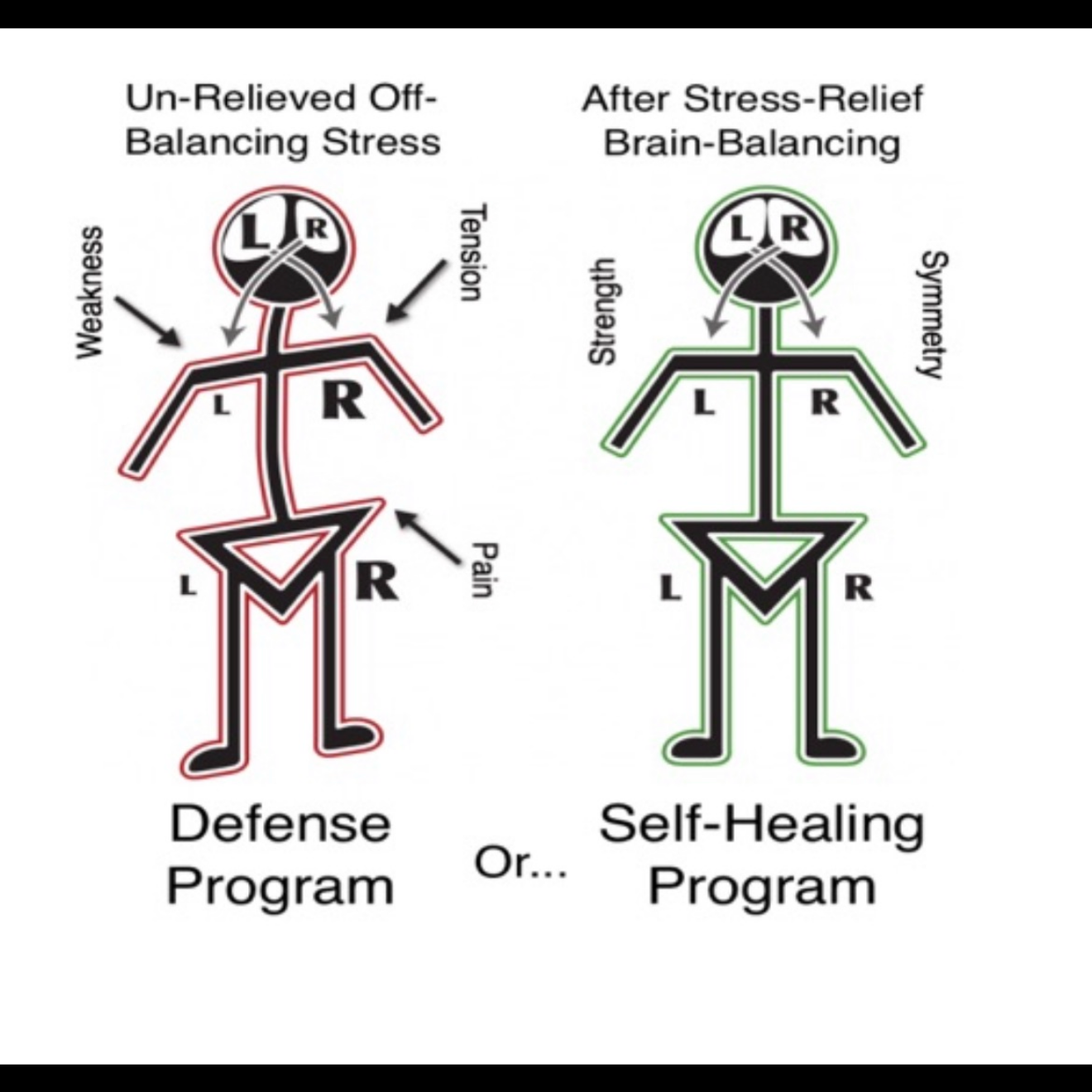
Why Do People Waddle? Uneven Hips, the “Dominant Side” Myth, and the Nervous System
Excerpt:
Why do so many people waddle, feel uneven, or assume one side of the body is simply their “dominant side”? In this educational practitioner perspective, Dillon Ayer of BrainReboot.org explores how stress, protection, and the nervous system may influence posture, gait, uneven hips, and body balance.
